Following the Gen Z protests, the House of Representatives was dissolved and a new election has been announced for March 51
Youth constitute 42.5 percent of Nepal’s population, yet their representation in Parliament, government, and political parties is proportionately far less.
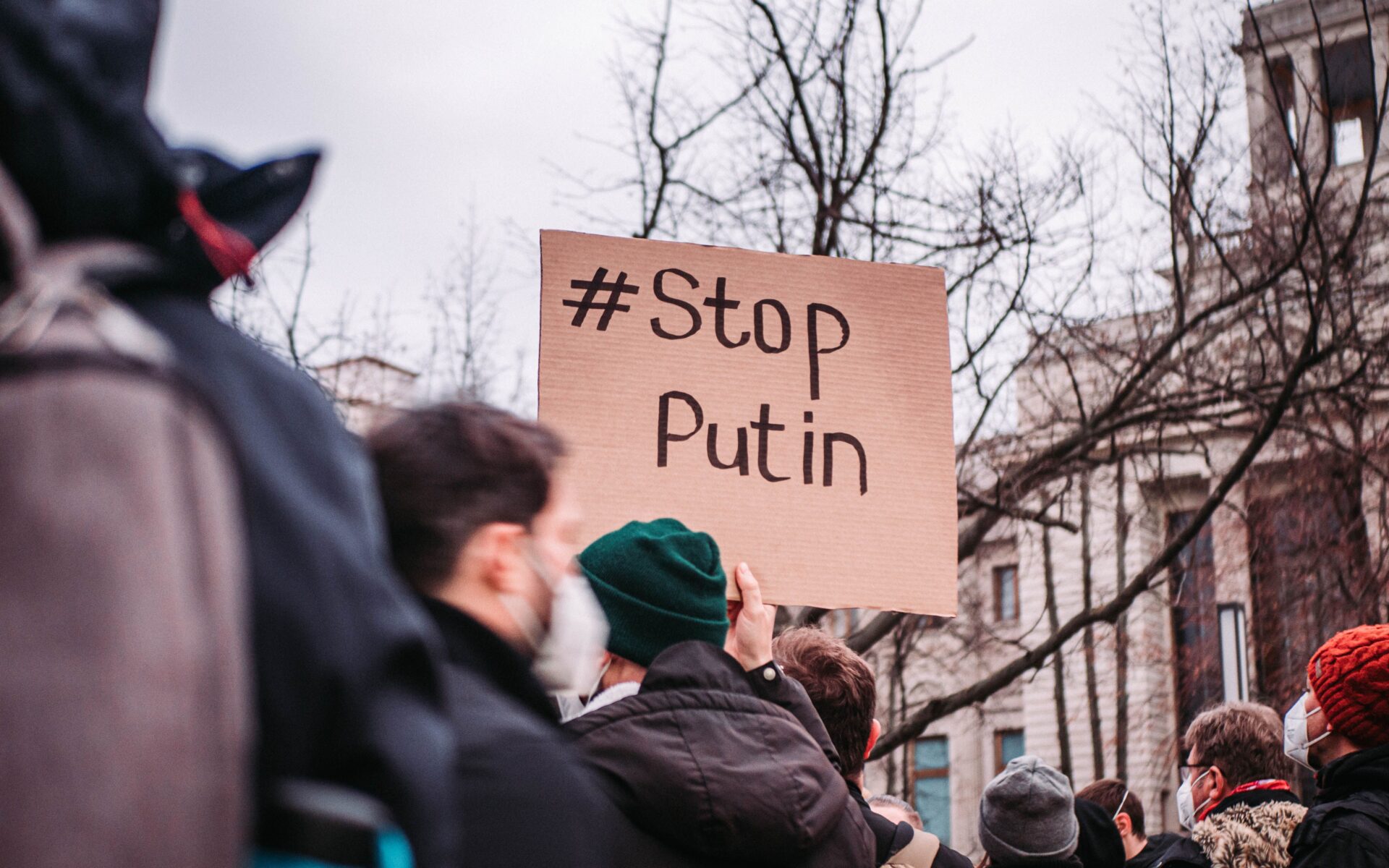
Old leaders dominate key positions, leaving little room for the next generation. This imbalance sparked widespread frustration, culminating in the Gen Z protests on September 8–9, which toppled the government and underscored the urgent need for youth leadership across all sectors.
According to the National Youth Policy 2015, people aged 16–40 are considered youth. Of Nepal’s total population of 29.16 million, 12.41 million are in this age group. Youth made up 40.35 percent of the population in 2011, rising to 42.56 percent in 2021. Youth voters also outnumber other age groups, comprising 52 percent of registered voters. However, only those aged 18 and above have voting rights under the Constitution, despite the broader definition of youth.
Youths remain underrepresented in political decision-making. In the dissolved House of Representatives, only 30 MPs were under 40, accounting for 11 percent of the 275-member house. Only individuals aged 25 and above can contest for the House of Representatives. There were just 30 MPs aged 25–40 in Parliament, while the majority of seats were dominated by older age groups.