We present the analysis by Wouter Zweers and Ivan Kelecevic for Clingendael
Merchants, missionaries, economic miracles, real estate brokers, and activist shareholders – these are not labels one would typically assign to state actors. Yet, in today’s increasingly geopolitically complex world, global, regional, and local powers perform (combinations of) such functions in the Southeast European region colloquially referred to as the Western Balkans: Albania, Bosnia and Herzegovina (BiH), Kosovo, Montenegro, North Macedonia, and Serbia.
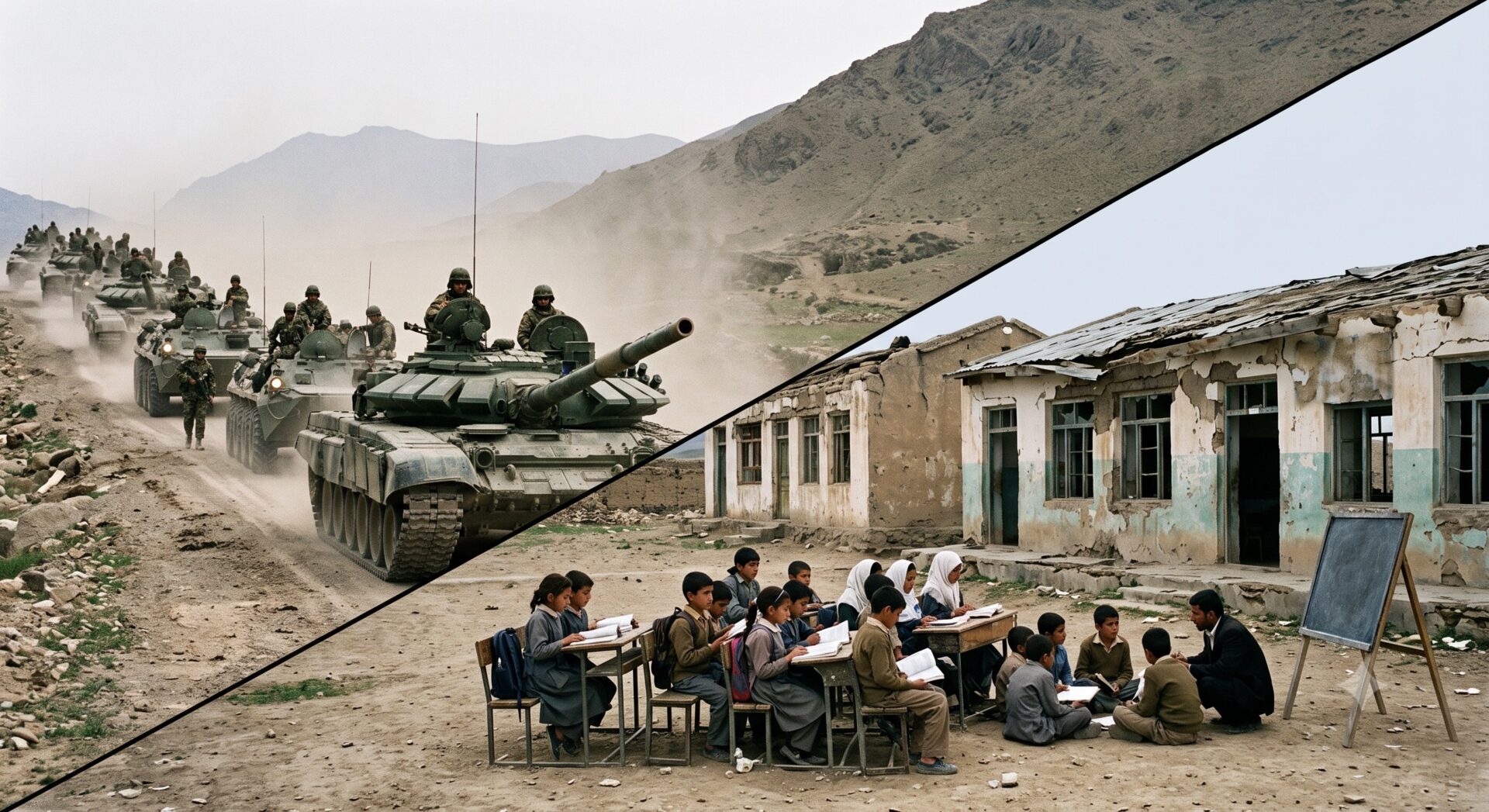
Russia’s war of aggression against Ukraine – taking place against the backdrop of an increasingly fragmented world order – does not only bear consequences for the relations between global powers. It especially impacts relations in regions such as the Western Balkans, where the interests of a myriad of powers collide. While the ‘Western Balkans Six’ (WB6) are formally on track to join the European Union (EU), Russia, Türkiye, the Gulf States and others are equally intent on strengthening their foothold in the region. But even the EU’s approach is not uniform, as EU Member States like Hungary or Italy pursue their own interests towards their Balkan neighbours.