Propaganda, Manipulation, and the Death of Dialogue
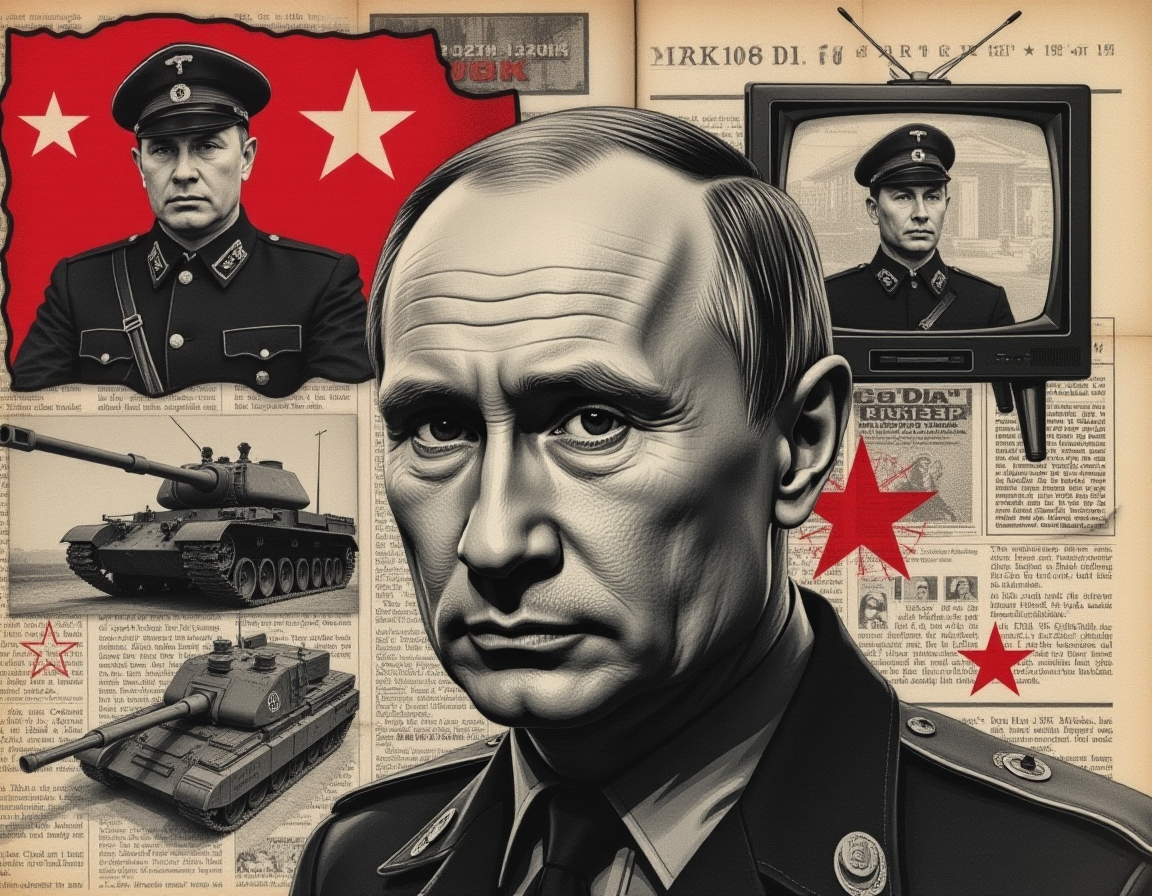
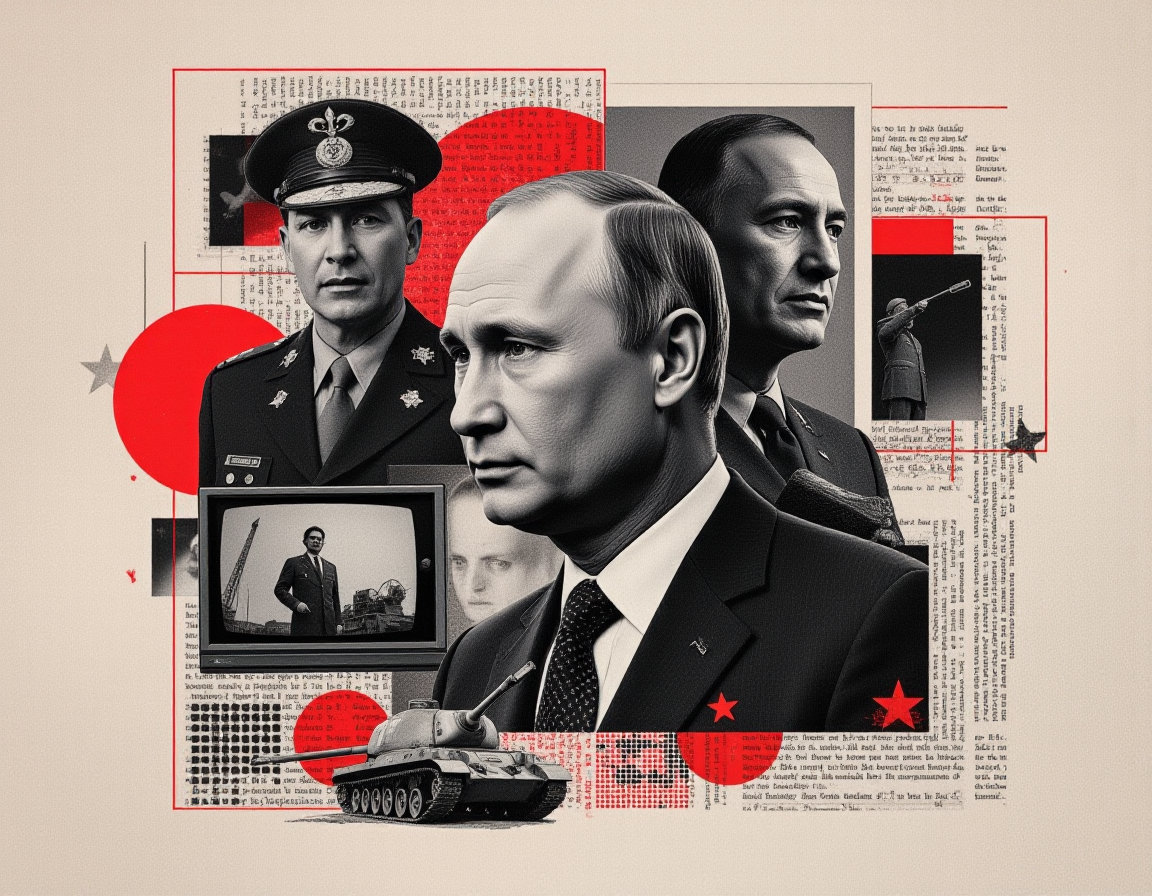
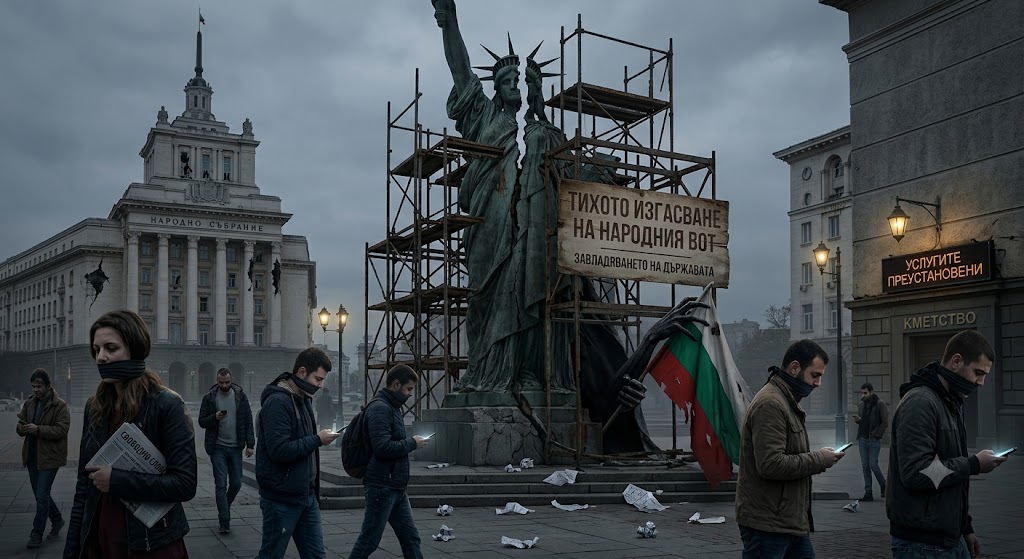
In a world where words multiply at a frantic pace, losing their weight and meaning, we are forced to ask: what happened to the life-giving power of the word? From digital avalanches of hashtags and short messages to political slogans emptied of content, the word today seems more dead than alive. It is a weapon, a commodity, a tool for manipulation, but it is rarely what it once was – a creative, constructive force capable of transforming and reviving.
This phenomenon is not new. As early as the 20th century, the French sociologist and philosopher Jacques Ellul, in his work La parole humiliée (The Humiliated Word) (1981), warned of the danger of this alienation. Ellul, who was himself strongly influenced by Christian theology, argues that the word has ceased to be “a thing” and has become merely an “instrument” for achieving specific goals. He distinguishes between “logos” – the life-begetting word that creates and reveals truth – and “lexis” – the simple, technical means of communication that dominates modern society. According to Ellul, when the word loses its connection to truth and to things itself, it becomes a machine for propaganda and a means of control. “Words no longer push us to action, they simply hold us in a state of inaction,” he writes, describing the effect of information overload that paralyzes our ability to think critically and act meaningfully.