We have to remember the alphabet of democracy
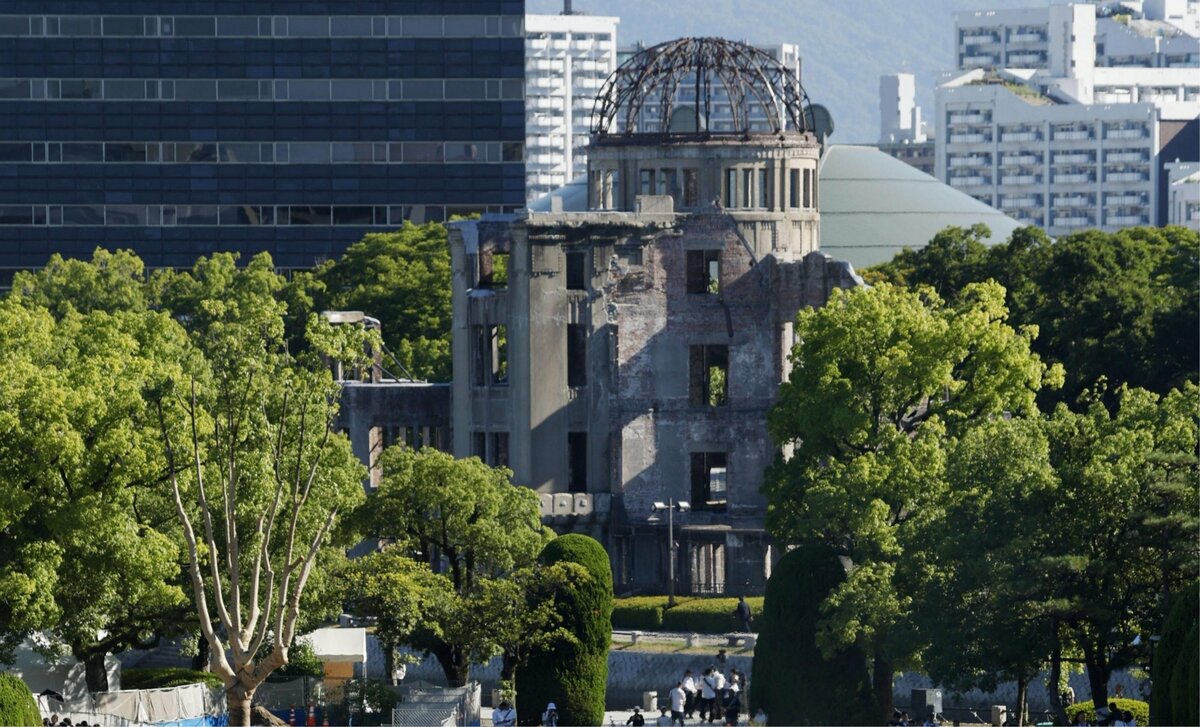
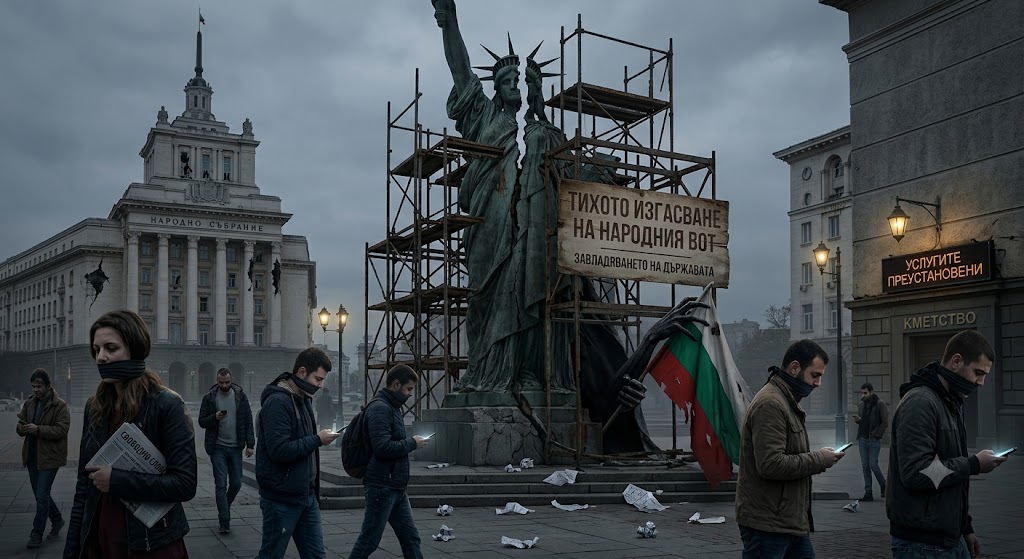
It must have been about fifteen years ago, just before he left this world. Atanas Slavov seemed to have had a prescient feeling that he had little time left to talk, so he said only important things. As a writer, cultural scholar, and dissident, he had returned to Bulgaria at the first possible moment after the fall of Communism in 1989. This was at a time when we were still explaining what democracy was and imagining that in five or six years everything would be fine. Over time, our conversations about democracy became increasingly complex. For example: is democratorship possible? Or totalitocracy? Then, just over fifteen years ago, he suddenly said there could be a resurgence of fascism. “That’s not possible,” I said, “after all the books we’ve read and films we’ve seen about fascism, after all this human slaughterhouse, after the Holocaust, how could there be a resurgence and why?” Atanas had no intention of arguing, he only said: “Why? Because fascism is very close to human nature. And there can be no argument about whether it could possibly return. You have to ask a different question: will you recognise it early enough to prevent it.”