Bulgaria is operating ‘in the dark’
The term abstract art originates from the concept of abstraction (from the Latin abstractio – detached/abstract), which has been used in art since the end of the 19th century. As art evolved, the meaning of this concept changed in parallel, moving toward denoting works that do not depict the external world and have radically broken their connection with the figurative reflection of reality.
We begin with this introduction to the strategic document Governance Program of the Republic of Bulgaria (2026–2030) because this is precisely the style of the document presented to us by Rumen Radev’s government. The text, which is difficult to read, is dominated by high-flown yet hollow formulations: “upgrading the capacity for impactful policy implementation,” “catalyzing synergistic effects.” The excessive accumulation of abstract nouns (“restoration,” “establishment,” “dismantling,” “guaranteeing”) is characteristic of the so-called heavy, convoluted, and artificial linguistic style known as officialese or deverbalization.
The emptying of content from administrative jargon and the shift from the concrete to the abstract is characteristic of populism. When you do not know exactly what, how, when, and with what resources you will achieve your goals, you veil it behind metaphorical and aphoristic concepts and expressions.
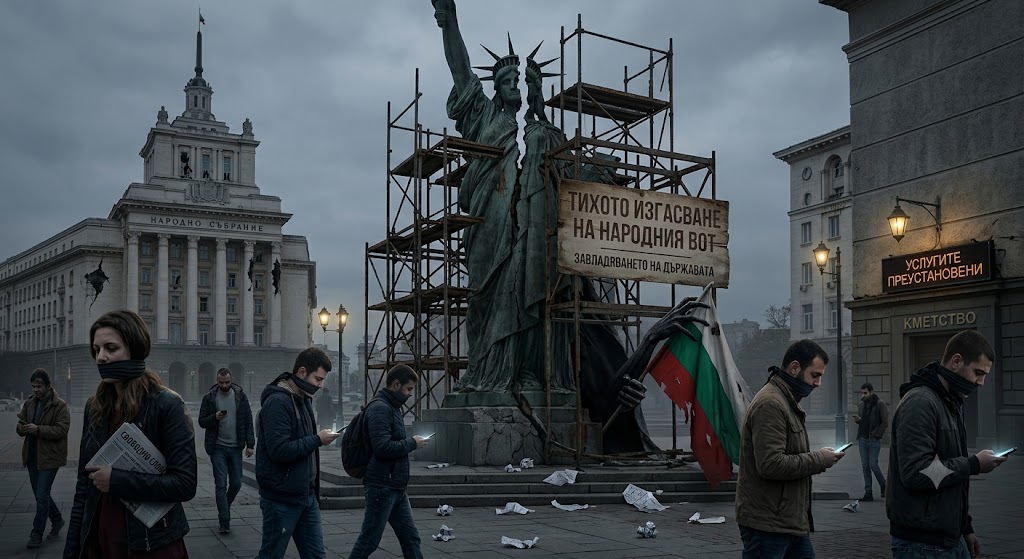
The program of the Radev cabinet is prepared on the principle of “a lot of everything” and suffers from a classic defect of Bulgarian strategic documents—the mechanical transfer of old deadlines and excessive optimism regarding the speed of the legislative process. Short-term deadlines (2026–2027) are severely compromised, with some already outdated or dependent on the highly dynamic and uncertain political environment in the country.